
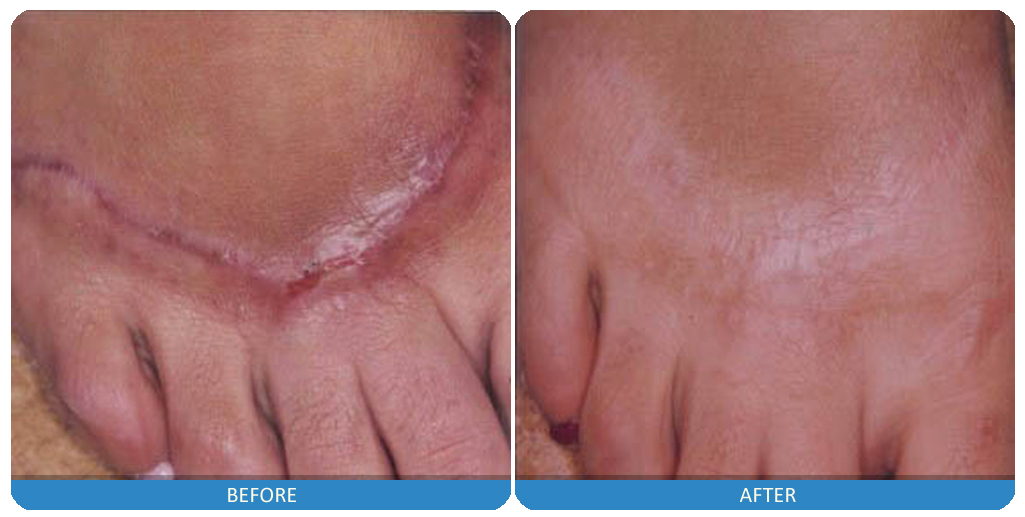
Understanding the Evolution of Scar Treatment
Scars are a natural part of the body’s healing process, forming after injuries, acne, surgery, burns, or trauma. While some fade over time, many remain visible and affect skin texture and confidence. Modern dermatology has transformed how scars are treated, offering advanced techniques that go beyond creams and home remedies. Among these innovations, Laser Scar Removal has become one of the most effective and widely used solutions for both old and new scars.
Unlike traditional methods that only target the surface, laser technology works at a deeper skin level, stimulating regeneration and remodeling damaged tissue. This makes it suitable for various scar types, including acne scars, surgical scars, hypertrophic scars, and even stretch marks.
How Laser Scar Removal Works on the Skin
Laser Scar Removal treatments use focused beams of light to penetrate the skin layers and trigger a controlled healing response. The energy from the laser removes damaged skin cells while encouraging the production of collagen and elastin, which are essential for smooth and healthy skin.
There are two primary types of laser treatments used in scar revision. Ablative lasers remove the outer layer of skin, allowing new skin to form during the healing process. Non-ablative lasers, on the other hand, work beneath the skin’s surface without damaging the top layer, making them less invasive with shorter recovery time.
Fractional lasers are among the most popular options today. They treat only a fraction of the skin at a time, leaving surrounding tissue intact, which speeds up healing and reduces downtime. This makes Laser Scar Removal both effective and convenient for patients with busy lifestyles.
Treating Old Scars with Advanced Laser Technology
Old scars, especially those that have been present for years, are often more challenging to treat. The skin around these scars has already completed its healing cycle, making it less responsive to traditional treatments. However, modern Laser Scar Removal techniques can still significantly improve their appearance.
By breaking down scar tissue and stimulating collagen production, lasers gradually soften and flatten old scars. Over multiple sessions, the discoloration and uneven texture become less visible. While older scars may not disappear completely, their appearance can be greatly reduced, blending more naturally with surrounding skin.
Patients with long-standing acne scars or surgical scars often report noticeable improvement after a series of treatments. Consistency and proper aftercare are key factors in achieving optimal results.
Treating New Scars for Better Long-Term Results
New scars respond particularly well to Laser Scar Removal because the skin is still in an active healing phase. Early intervention can prevent scars from becoming deeply embedded or permanently raised.
When laser therapy is applied to fresh scars, it helps regulate collagen formation, ensuring the skin heals more evenly. This can reduce redness, thickness, and uneven pigmentation. In many cases, early laser treatment can minimize the long-term visibility of the scar significantly.
Dermatologists often recommend waiting a few weeks after the injury has fully closed before beginning treatment. This ensures the skin is ready for controlled resurfacing without causing irritation or complications.
Types of Scars That Can Be Treated with Lasers
Laser Scar Removal is versatile and can address a wide range of scar types. Acne scars, especially pitted or atrophic scars, respond well to fractional laser resurfacing. These treatments help smooth the skin’s texture and reduce visible indentations.
Surgical scars can also be improved, particularly when they are raised or discolored. Laser therapy helps flatten and lighten these marks over time. Burn scars, which are often thick and uneven, may require multiple sessions but can still show significant improvement.
Hypertrophic scars and keloids are more complex, but lasers can reduce redness, thickness, and discomfort associated with them. Stretch marks, while not traditional scars, also benefit from laser treatment by improving skin texture and color.
What to Expect During Laser Scar Removal Treatment
A typical Laser Scar Removal session begins with a consultation where a dermatologist evaluates the scar type, skin condition, and medical history. A personalized treatment plan is then created based on the severity and location of the scar.
During the procedure, the skin is cleaned and a topical numbing cream may be applied to minimize discomfort. The laser device is then carefully directed over the scar area. Patients often describe the sensation as mild warmth or tingling.
After the session, the treated area may appear red or slightly swollen, similar to a mild sunburn. This is a normal response and usually subsides within a few days. Depending on the type of laser used, recovery time can range from a few days to a couple of weeks.
Benefits of Laser Scar Removal Treatments
One of the main advantages of Laser Scar Removal is its precision. It targets only the affected skin without damaging surrounding tissue. This leads to faster healing and more controlled results.
Another major benefit is its ability to improve both texture and color. Many scars are not just physical indentations but also involve pigmentation changes. Laser therapy addresses both issues simultaneously, resulting in more natural-looking skin.
The treatment is also customizable. Dermatologists can adjust laser intensity and depth depending on the scar type and skin sensitivity. This makes it suitable for a wide range of patients with different skin tones and conditions.
Possible Side Effects and Safety Considerations
While Laser Scar Removal is generally safe, some temporary side effects may occur. These can include redness, swelling, itching, or mild peeling. In rare cases, pigmentation changes or prolonged sensitivity may happen, especially if aftercare instructions are not followed properly.
It is important to undergo treatment with a qualified dermatologist or licensed skin specialist. Proper evaluation ensures that the correct laser type is used, minimizing risks and maximizing effectiveness.
Sun protection is also essential after treatment. The skin becomes more sensitive to UV exposure, so using sunscreen helps prevent discoloration and supports healing.
Long-Term Results and Maintenance
Results from Laser Scar Removal are gradual and improve over time. Collagen production continues for several weeks or even months after treatment, meaning the skin keeps improving long after the session.
Most patients require multiple sessions for optimal results, especially for deeper or older scars. Maintenance treatments may also be recommended depending on skin response and scar severity.
With proper care, results can be long-lasting, providing smoother, more even-toned skin and improved confidence.
The Future of Scar Treatment
Advancements in dermatology continue to refine Laser Scar Removal technologies. Newer laser systems are becoming more precise, faster, and suitable for a wider range of skin types. Combination therapies, which include lasers with microneedling or topical treatments, are also showing promising results.
As research continues, scar treatment is moving toward more personalized and minimally invasive solutions. This means better outcomes with less downtime and improved comfort for patients.
Conclusion
Laser Scar Removal has revolutionized the way both old and new scars are treated. By targeting the deeper layers of the skin and stimulating natural healing processes, it offers a highly effective solution for improving skin texture, tone, and appearance.
Whether dealing with acne scars, surgical marks, or injury-related scars, laser technology provides a modern, scientifically backed approach to skin restoration. With proper treatment and care, individuals can achieve smoother, clearer skin and renewed confidence in their appearance.